
Sound Frequency for Autism: Harnessing Healing Vibrations
Autism Spectrum Disorder (ASD) affects millions of individuals worldwide, manifesting in challenges with communication, sensory processing, and social interactions. With its rising prevalence, families and practitioners continually seek complementary therapies to enhance the quality of life for individuals with ASD. One such promising modality is sound frequency therapy or sound healing sessions.
The Science of Sound and Its Effects on the Brain
Sound therapy utilizes specific frequencies to stimulate neural pathways and promote relaxation. Research indicates that sound waves can influence brain activity, particularly in regions associated with emotion, sensory processing, and executive functions. These effects are particularly relevant for individuals with ASD, who often experience heightened sensory sensitivities and challenges in emotional regulation. It also serves as an additional communication method and interactive modality for caregivers and those with ASD.
Studies Supporting Sound Healing for Autism
1. Improved Communication Skills
A 2017 study published in the journal of Autism and Developmental Disorders highlighted the potential of music therapy to improve communication skills in children with ASD. While not identical to sound therapy, music therapy’s focus on rhythm and tone resonates with sound frequency’s principles. The study found that children exposed to regular auditory stimulation showed enhanced social engagement and non-verbal communication skills compared to a control group.
2. Reduced Anxiety and Behavioral Outbursts
Sound healing is often praised for its ability to reduce anxiety. A study published in the Journal of Evidence-Based Integrative Medicine in 2020 examined the effects of Tibetan singing bowls on children with sensory processing difficulties, including those on the autism spectrum. Results indicated significant decreases in anxiety levels and behavioral outbursts after just four weeks of regular sound therapy sessions.
3. Enhanced Sleep Patterns
Sleep disturbances are a common challenge for individuals with autism. A study in Frontiers in Psychiatry (2022) explored the use of vibroacoustic therapy—a method involving sound frequencies transmitted through a mat or chair. Participants reported improvements in sleep quality and duration, with caregivers noting reduced hyperactivity during the day.
How Sound Frequency Works for Autism
Sound therapy operates on the premise that specific frequencies can stimulate and balance brain activity. Here are a few commonly used techniques:
 Binaural Beats: These involve listening to two slightly different frequencies in each ear, creating a perceived third frequency that encourages brainwave synchronization. Studies suggest that binaural beats in the theta range (4-8 Hz) may promote relaxation and improve focus in individuals with ASD.
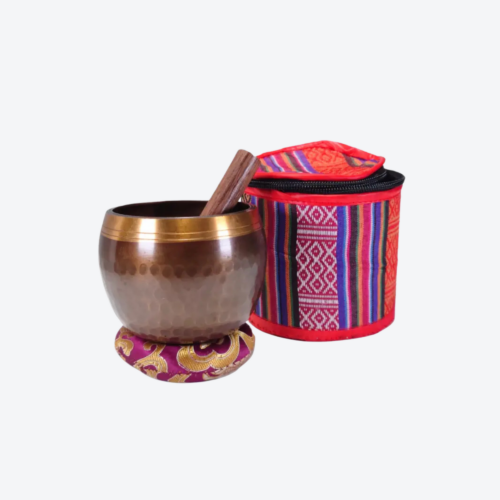
Tibetan Singing Bowls and Crystal Bowls: These instruments produce harmonic overtones that can calm the nervous system and improve sensory integration.
Vibroacoustic Therapy: This method uses sound waves to create vibrations that the body can feel, stimulating a sense of calm and improving emotional regulation.
Benefits of Sound Therapy for Individuals with Autism
1. Improved Sensory Integration: Sound therapy helps recalibrate hypersensitive auditory pathways, enabling individuals with ASD to process sensory information more effectively.
2. Emotional Regulation: By activating the parasympathetic nervous system, sound frequencies reduce stress and enhance emotional stability.
3. Social Engagement: Sound therapy’s calming effects create opportunities for individuals with autism to engage more meaningfully in social settings.
Practical Tips for Caregivers and Practitioners
1. Choose the Right Practitioner: Work with certified sound practitioners experienced in autism support.
2. Start Small: Begin with short sessions to gauge the individual’s response to different frequencies.
3. Create a Safe Environment: Find a quiet space to minimize external distractions during engagement sessions
4. Combine Modalities: Consider integrating sound therapy with other approaches, such as occupational therapy or mindfulness practices, for holistic support.
5. Take a Class in Sound Healing: Educate yourself on sound healing techniques by enrolling in a reputable course to better understand its principles and applications.
Final Thoughts
While sound therapy is not a cure for autism, it offers a powerful complementary approach to enhance well-being and quality of life. By leveraging the healing power of sound frequencies, individuals with ASD can experience greater calm, improved sensory integration, and enriched emotional connections. As research continues to evolve, the potential for sound therapy to become a mainstream modality in autism care is increasingly evident.
Families and practitioners are encouraged to explore sound healing’s possibilities, always tailoring approaches to the unique needs and preferences of the individual. Together, with open minds and innovative therapies, we can create a more harmonious world for those on the autism spectrum. Call for a free consultation today at The OM Shoppe, find the right instruments in the right combination to help your loved ones today.